Q&A with Affirmative Leaders Fellow Zenia Wilson Laws, Special Counsel for Nuisance Abatement at the Office of the Attorney General for the District of Columbia
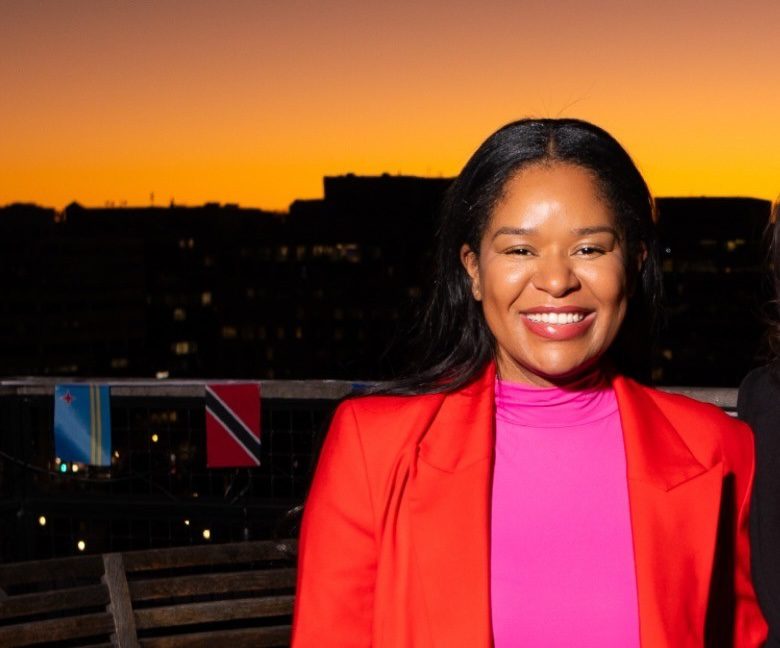
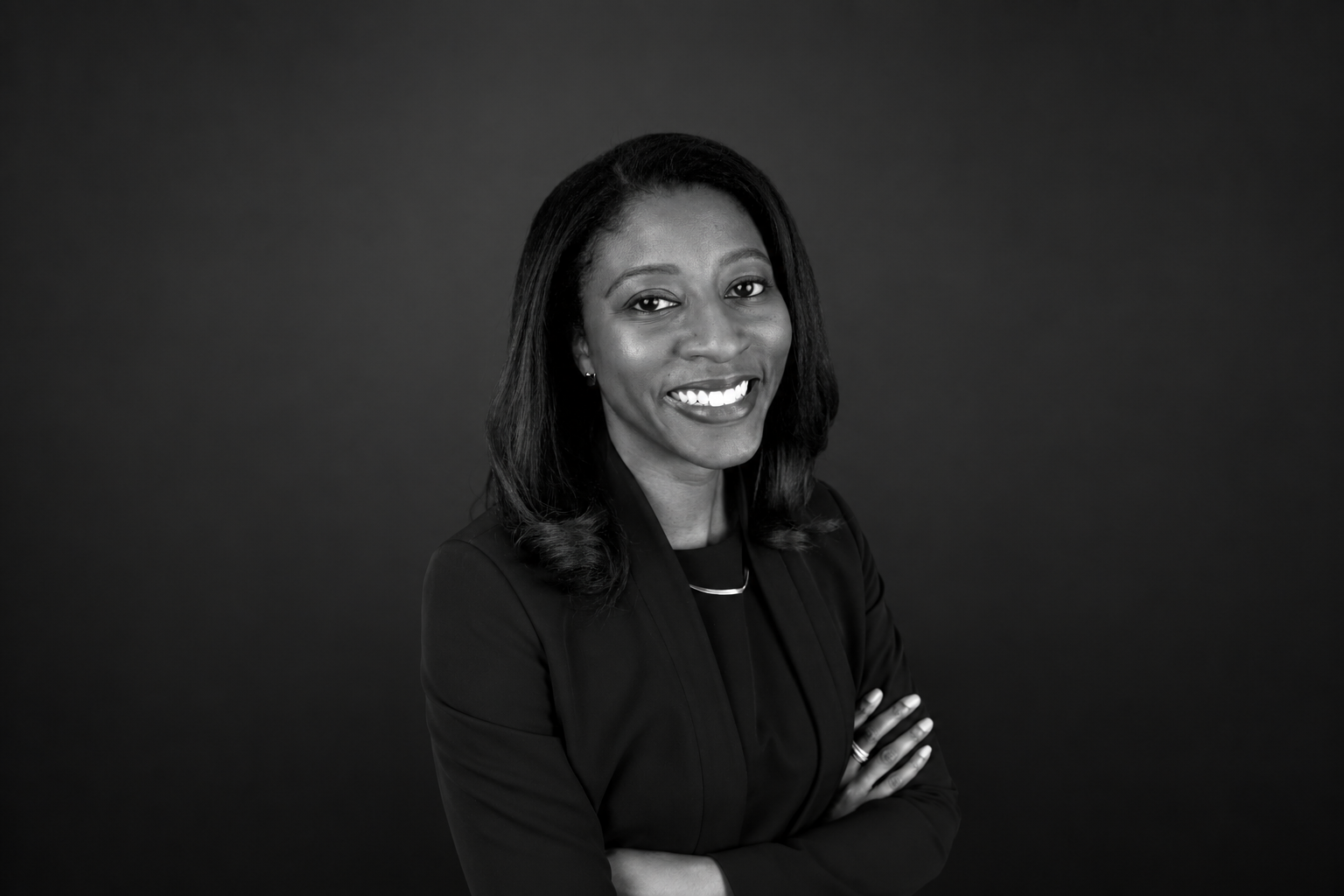
Image source: Caleb Habtamu
Zenia Wilson Laws is a lawyer who has spent her entire career fighting for people to receive fair and just outcomes from the legal system. Raised in Baltimore and now living in Washington, D.C., she founded the city’s first Caribbean-based legal association. She’s a powerhouse who seeks to challenge the status quo — not to mention, last September, she made the Washingtonian’s list of “5 People We’d Love to Hang Out With This September.”
What is your role in the attorney general’s office?
I work in the Housing and Environmental Justice Section of the attorney general’s Public Advocacy Division. Our office defends and advances the rights of residents — and the D.C. attorney general’s office does that through a mix of policy advocacy, affirmative and defensive litigation, and community engagement.
Right now, I’m working on a case against the owner and property manager of two apartment buildings in Deanwood, in Northeast D.C. Tenants were living with rodent and bedbug infestations, severe mold, water leaks, unsecure doors and windows, and piles of trash. Just bringing the case forward led to dramatic improvements. In a location that had seen multiple shootings and drug activity, those problems have stopped.
What makes you proud of your work as a government attorney?
I’m proud that district residents look to our office to stand up for them, and trust us to listen, investigate, and take action. I’ve lived in the district for 10 years, and being able to impact where I raise my children means everything to me. There’s pressure to do your job well here — D.C. is full of civic-minded people who expect results from their local government, and I am proud to be part of an office that works every day to meet that expectation.
I am also proud of the broad range of tools we use to create safer and healthier communities. One tool is our mediation program, which last year recovered more than $1 million for residents without going to court. Other situations require litigation to achieve accountability. My colleagues recently secured a $41 million judgment against negligent property owners who subjected their tenants to unsafe living conditions.
In my role as Special Counsel for Nuisance Abatement, I often look to non-legal solutions for public safety issues. Working in government lets me bring in partners you wouldn’t normally associate with public safety. Better public lighting, reducing illegal dumping, beautification, maintenance — these things contribute to community safety too.
That’s an interesting point! What are some non-legal solutions you’ve pursued to help the community?
As Special Counsel for Nuisance Abatement, I help enforce the district’s Nuisance Act against properties that are the site of persistent drug- and firearm-related activity. While the law provides a tool for enforcement, we often rely on creative and collaborative approaches that do not require litigation whenever possible.
One example is our work with businesses and community members along commercial corridors facing ongoing public safety challenges. Through coordinated problem solving, we are working to create practical, community-driven solutions to public safety. These efforts bring government resources to the table while engaging businesses as partners in making neighborhoods safer and more welcoming.
For example, we helped a small business owner whose property was the site of nuisance activity. We connected them with the DC Main Streets Program, which provided funding support. More broadly, there are resources available to help businesses improve their properties, but businesses also need to be engaged and take responsibility as members of the communities they serve. This can include practical steps like investing in security, improving exterior lighting, and keeping storefronts clean.
How does your work contribute to more equitable outcomes?
My work often involves investigating complaints to understand the broader context of community needs. For example, we were asked to address concerns about a bus stop that was linked to loitering and public safety issues spilling over into a nearby business. Rather than immediately seeking to remove or relocate the stop, we engaged all relevant government stakeholders to understand the situation. We learned that the stop had high ridership and played an important role in connecting this underserved community with public transportation, and so we didn’t recommend or pursue removing it as a solution.
This experience highlighted how thoughtful, data-informed decision-making can lead to more equitable outcomes. It reminded me that public safety is not just about enforcement — it’s about balancing multiple perspectives, understanding community, and ensuring that actions serve the broader public good.
What led you to launch the D.C. Caribbean Bar Association?
My father is from Trinidad and Tobago, and we used to come to D.C.’s Caribbean carnival when I was a kid — my first exposure to the rich Caribbean culture here. When I moved to D.C. and looked for voluntary bar associations, I was surprised a Caribbean one didn’t exist. Being Caribbean American is a big part of my identity and so is being a lawyer and advocate. I wanted to create a space where those two parts of me could coexist.
After talking with colleagues and other community members, I confirmed that there was an interest and need for such a space. I then navigated the process of setting up a 501(c)(6) and successfully applied to have the organization recognized by the D.C. Bar. In partnership with the Mayor’s Office on Cultural and Caribbean Affairs, the D.C. Caribbean Bar Association launched in October. It was affirming to learn that others shared my view that this was a space that should exist.
I’m hoping to create a professional community to offer mentorship, continuing legal education and volunteer opportunities. This is also an opportunity to break down silos between different Caribbean cultures. D.C. is a hub of power and decision-making and it’s important that an association like this exists here.
What kind of advice do you wish you’d had as a younger lawyer?
Never count yourself out. Not enough people volunteer to get in the ring.
You have to make time for professional development outside of work. Those spaces are affirming — you connect with people doing similar work, you learn, you surround yourself with others seeking knowledge. Understanding tools beyond legal skills is just as important for making an impact. A lot of that comes from networking and showing up.
-
 Blog10/15/2026
A sheriff tried to put an election on trial. The California Supreme Court said no
The request came from Attorney General Rob Bonta, whose office wanted time to review the…
-
Blog9/28/2026
Meet our Election Protection Hub director!
Jenny Holmes’ career has been focused on making life more fair and affordable for historically…
-
Blog9/25/2026
Federal officials deleted Signal messages to cover their tracks. Thanks to our lawsuit, they didn’t get away with it
When we went to court to stop the administration from dismantling federal agencies, we knew…