

Mayors are fighting Haitian and Syrian deportations. For many, it’s a question of life or death.
“But what can we do?”
It was January, at the U.S. Conference of Mayors annual meeting — the ICE surge in Minneapolis was dominating headlines, and aggressive federal immigration enforcement was on everyone’s mind. Throughout the weekend, the mood was heavy with worry and uncertainty, but also with something else: a feeling of togetherness. As a coalition, mayors across the country had found ways to cohere and find strength in ways that they could not have imagined just a year ago. At a luncheon organized by Public Rights Project, this brave group — some of whom have been the Trump administration’s biggest targets — spoke with a newfound determination and solidarity to boldly use all of the local powers available to them.
Among the many concerns raised that day, one stood out. Perhaps it was because it came directly from several mayors including Eileen Higgins of Miami, Aftab Pureval of Cincinnati, and Michelle Wu of Boston. They were focused on a threat by the Trump administration to strip immigration rights through the removal of several countries’ Temporary Protected Status (TPS) designation — which allows people from countries that are temporarily unsafe, due to conflict, natural disaster, or other “extraordinary” conditions, to stay and work in the U.S. Over 1.2 million TPS holders live across the country and the elimination of TPS has been in the president’s crosshairs since taking office. The administration has attempted to strip that designation from at least 13 countries.
“But what can we do?” The question hung in the air as the mayors asked it.
One of the countries under particular scrutiny by the administration was Haiti. There are 350,000 Haitians who live in the U.S.: people who have built their lives within and naturally integrated into our communities. During that time, Haiti has remained embroiled in deadly gang warfare since President Jovenel Moïse’s 2021 assassination, which has resulted in civilian massacres and mass displacement. Even now, it’s remained one of the most serious humanitarian crises in the world, and conditions continue to deteriorate today.
The departure of TPS immigrants has taken a huge human and economic toll on American cities. I remember the look of concern in Mayor Higgins’ eyes as she expressed deep concerns about the departure of the Haitian community in Miami, a city with over 300,000 Haitian residents. In Florida alone, about 93,000 Haitian TPS holders are actively employed, annually contributing $1.5 billion to Miami’s metropolitan economy. To state the obvious, stripping even a portion of the TPS holders in the community of their ability to work and live would destroy the vitality of one of Florida’s largest cities.
Miami is just one example of the economic impact of the deportations of Haitian TPS holders across the state and the country. In Florida alone, TPS holders pay $300 million in federal and payroll taxes and $306 million in state and local taxes annually. They play a vital role in the health, disability, and elder care workforce — which are critically understaffed across the country. In the Midwest, TPS holders have revitalized struggling manufacturing factories and Rust Belt towns. Considering all of the valuable contributions TPS holders have made across the nation, I shouldn’t have been surprised that this was top of mind for local leaders.
As I took the train ride back from the meeting, I kept thinking about the concerns the mayors had raised, and I was haunted by the question of what could be done for the people they serve. They were watching the consequences of federal immigration policy land in real time, on real streets, happening to real people. Our family, our friends, and our neighbors.
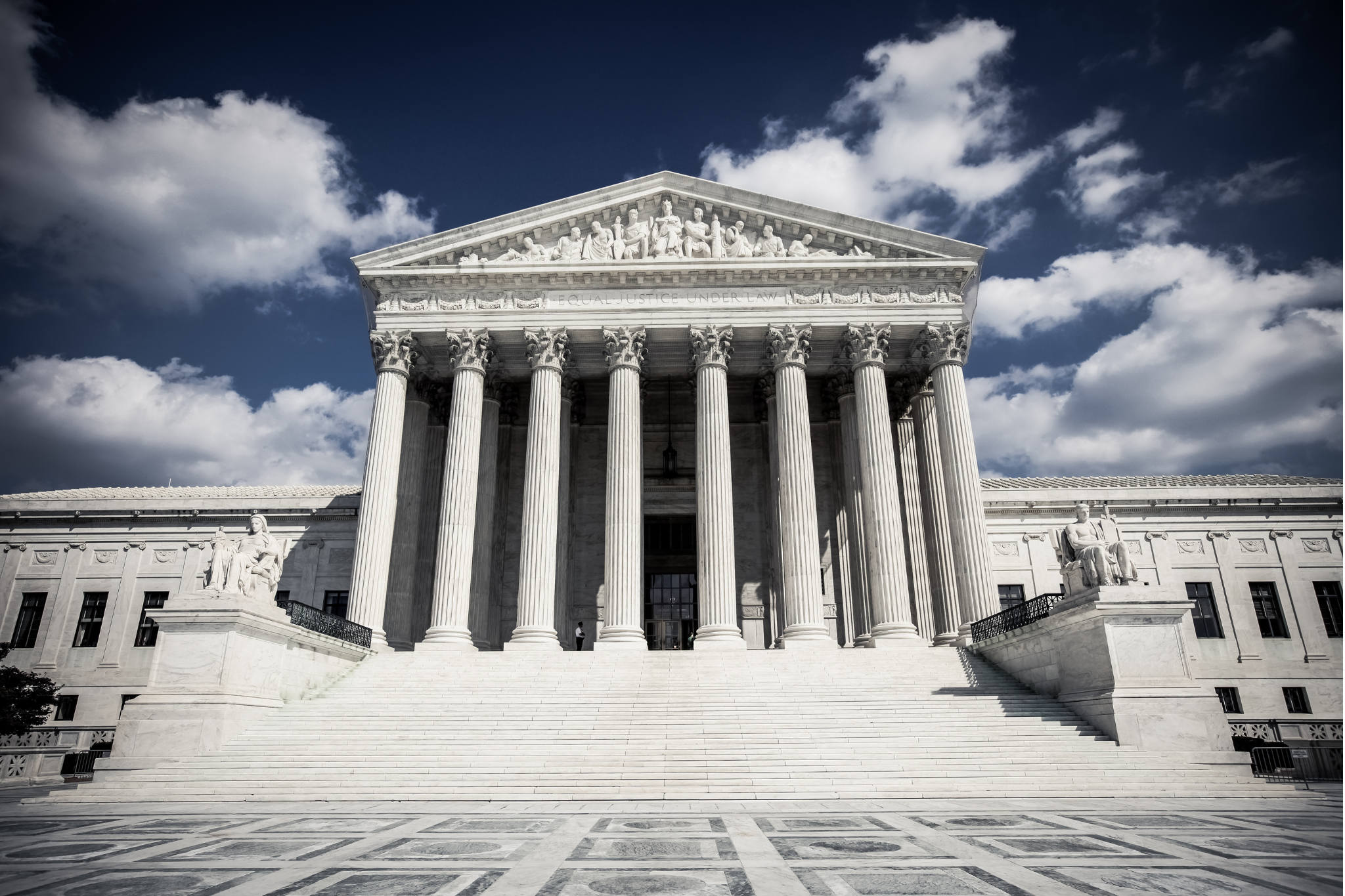
Fast forward two months. On March 11, 2026, the Trump administration asked the Supreme Court to revoke TPS for Haitian and Syrian immigrants, after the lower courts blocked their attempts to do so (Trump v. Miot and Mullin v. Doe). These actions gave mayors and local leaders the chance to speak out for what was right — to put their names forward, speak from their perspectives, and stand up for their communities before the highest court in the country. They were finally able to emphasize the valuable contributions these residents have made for years in their jurisdictions, and to relay the real harm to communities, including damage to local economies and families, if the Supreme Court were to adopt the administration’s cruel policy.
In April, Public Rights Project submitted an amicus brief to the Supreme Court on behalf of 47 local governments and local leaders from across the country as it considers Trump’s request to overturn the decisions of lower courts to allow it to deport both Haitian and Syrian TPS holders (as the Trump v. Miot case has since been consolidated with Mullin v. Doe). Those who signed on include not only the metropolitan hubs of New York City and Los Angeles County, which are home to hundreds of thousands of TPS holders, but also those very mayors I spoke with that day — Mayors Higgins, Pureval, and Wu. It felt like a full-circle moment.
The cumulative stakes in this case are enormous. And while we don’t know how the Supreme Court will ultimately rule, we know that mayors are navigating circumstances without modern precedent — threats to their residents’ safety, their communities’ cohesion, and their local economies. The answer to “What can we do?” is never nothing. As long as local leaders are fighting for what’s right, Public Rights Project will be beside them to help mayors find answers. That’s exactly what it’s built for, and what we are ready to do.

-
 Blog10/15/2026
A sheriff tried to put an election on trial. The California Supreme Court said no
The request came from Attorney General Rob Bonta, whose office wanted time to review the…
-
Blog9/28/2026
Meet our Election Protection Hub director!
Jenny Holmes’ career has been focused on making life more fair and affordable for historically…
-
Blog9/25/2026
Federal officials deleted Signal messages to cover their tracks. Thanks to our lawsuit, they didn’t get away with it
When we went to court to stop the administration from dismantling federal agencies, we knew…