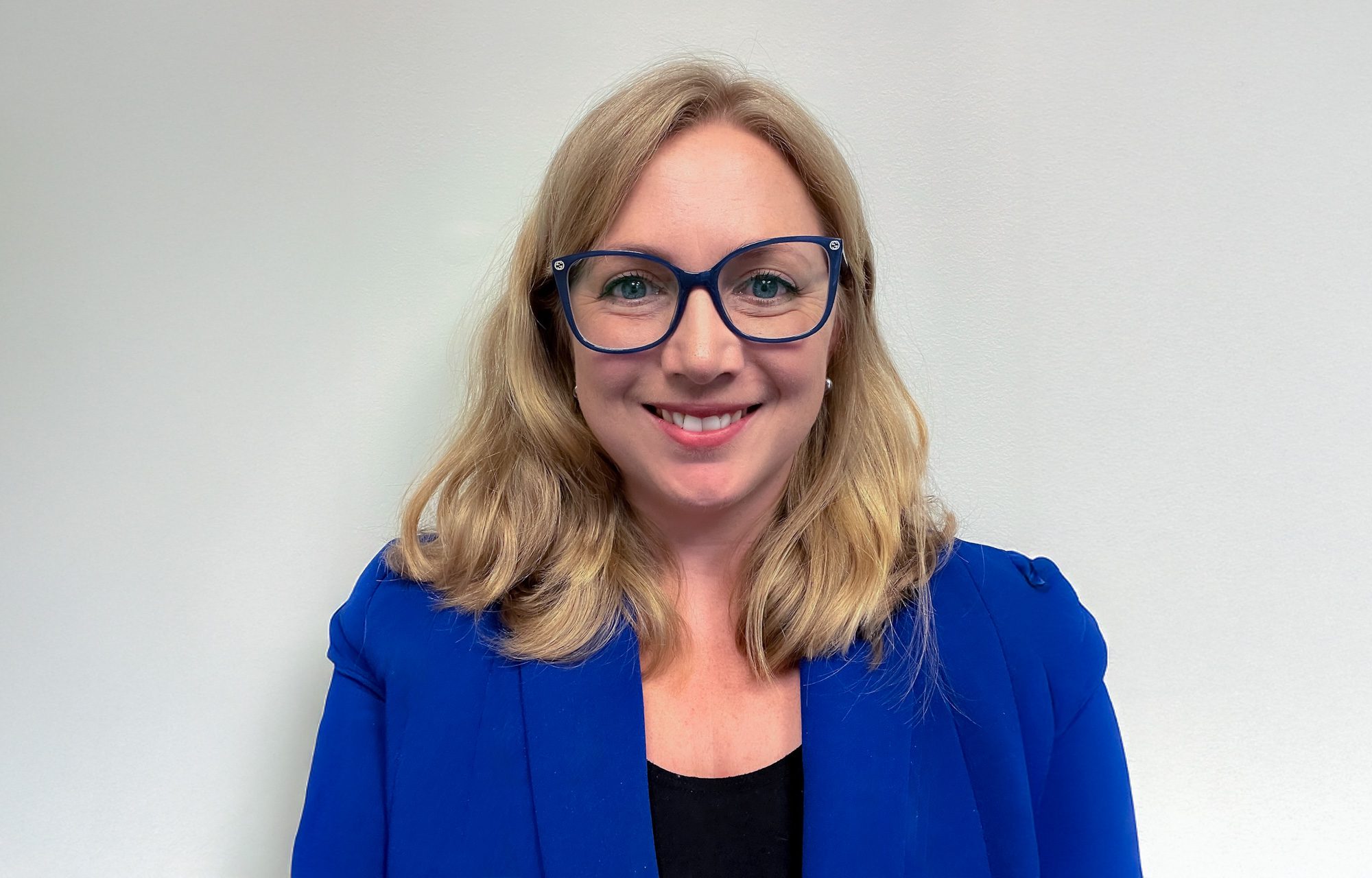

Q&A with Affirmative Leaders Fellow Devon King, deputy city attorney in Albuquerque’s city attorney’s office
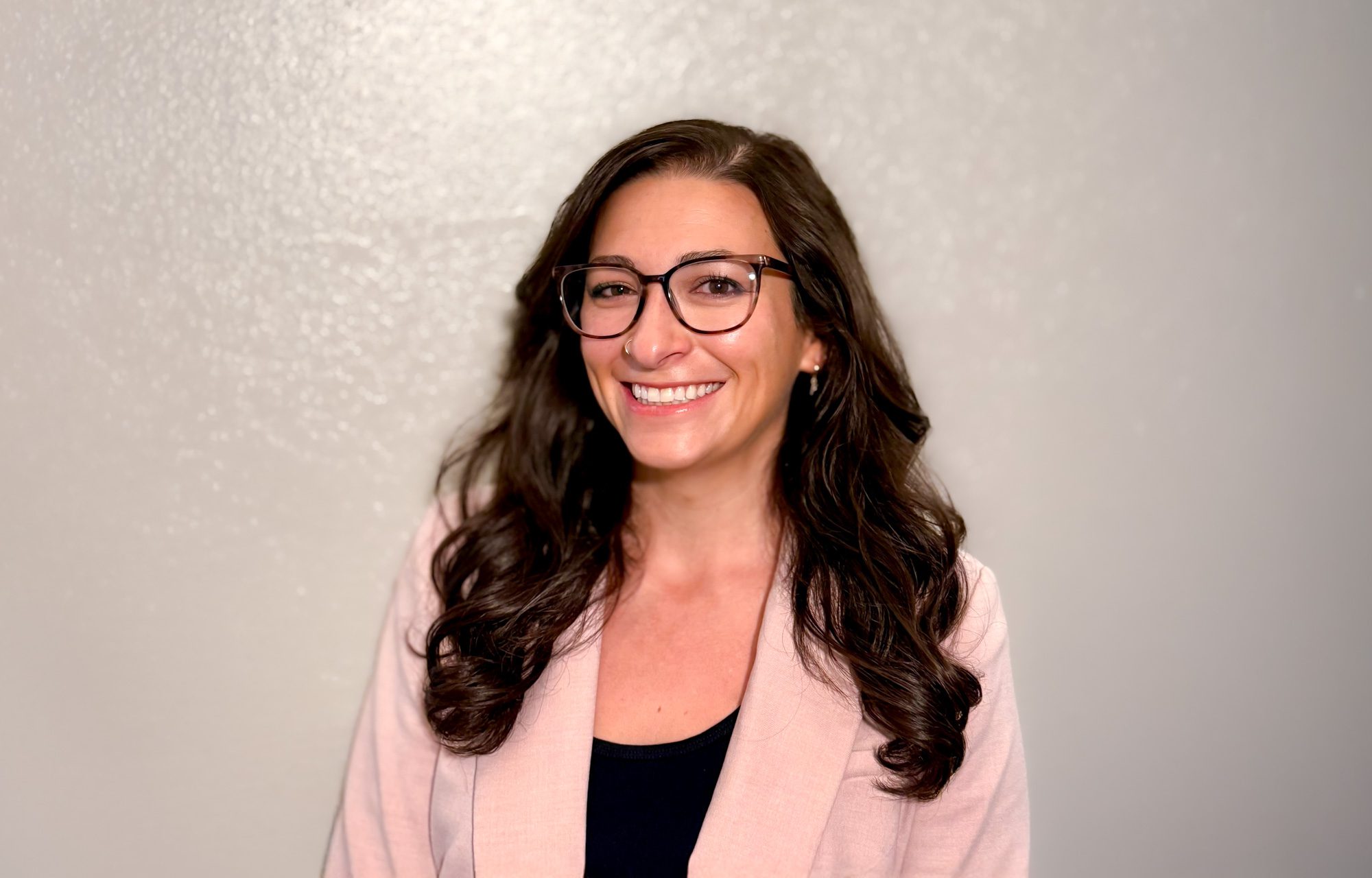
Devon King never imagined that litigating against the federal government would become a central part of her work at Albuquerque’s city attorney general’s office. But this year, she found herself on the front lines of a lawsuit against the withdrawal of a $11.5 million grant for its Rail Trail, an urban trail to connect the city’s downtown with surrounding neighborhoods.
Devon discusses why this funding matters, what it takes to mount affirmative litigation, and the importance of using all the tools at the disposal of local governments to defend communities’ interests.
Why is the Rail Trail so important?
New Mexico ranks as the most dangerous state in the nation for pedestrian safety. Albuquerque has witnessed too many preventable road accidents that underscore the urgent need for better infrastructure — including the recent death of 19-year-old cyclist Kayla Vanlandingham.
This project takes its name from the railroad tracks dividing our city that it would create crossings over. It addresses a fundamental problem by providing a protected corridor for pedestrians and cyclists, eliminating dangerous interactions with vehicle traffic, while offering viable transportation alternatives and reducing congestion. Its funding, which was approved in 2022, came from the RAISE Discretionary Grant Program, which gave local governments across the U.S. funds for transportation projects to help people get around more safely, efficiently, and affordably.
How did the city of Albuquerque react to the cancellation of this grant?
It was profoundly frustrating. Following the 2022 award, the city had worked extensively with federal partners to advance the design and ensure the project would be shovel-ready. City staff attended countless meetings to review plans and specifications. We also hired third-party consultants to complete necessary work. The amount of effort, expertise, and public funds dedicated to moving this project forward was substantial — and then it was simply pulled away.
Can you walk us through Albuquerque’s decision to pursue affirmative litigation?
The decision was a momentous one, because suing the federal government is a major shift in how we normally do things. This lawsuit arose out of shared resolve from the mayor’s office and our Metropolitan Redevelopment Agency, and a belief that our power as local government is worth fighting for. Both felt strongly about sending a message that cities, and the people we serve, can’t be treated this way.
This situation also prompted us to start systematically tracking the impacts of federal policy on Albuquerque so we could better respond across the board. This approach is unprecedented for us. While we have skilled litigators, we’ve never had a dedicated affirmative litigation division. I’ve been learning this practice area essentially from the ground up.
What has the learning curve looked like?
I’ve had no option but to pick up expertise as I go, which is why my office’s partnership with Public Rights Project has been instrumental. Their support gave us confidence that even without an established affirmative litigation team, we could build a strong case. This involved conducting extensive research into similar lawsuits, like the other cases that PRP is litigating, and studying how they were structured and argued.
Although we engaged outside counsel with relevant experience, I drafted the initial complaint myself. I’m genuinely proud of the work we’ve produced and the compelling argument we’ve presented.
What impact do you hope this case will have?
Through this process, we’ve connected with counterparts across the country whose RAISE grants were similarly rescinded. Understanding the implications of this federal action on cities nationwide has been crucial. We’re working to win court rulings that will define the boundaries of executive power. If we’re successful, this could establish important precedent regarding the limits of federal power. While we didn’t have a formal grant agreement when the funds were awarded, Congress approved the allocation, and it was withdrawn without justification.
What other kind of work do you do on a day-to-day basis?
Federal policy is completely changing what my job entails. I know more about federal grants now than I’ve ever anticipated needing to. Recently, I wrote a public comment for a lawsuit the cities of Albuquerque, Boston, Chicago, and San Francisco are bringing against proposed changes to the Public Service Loan Forgiveness program. The change would allow the federal secretary of education to exclude public workers from loan forgiveness if they work for a city that doesn’t cooperate with White House immigration policies or comply with its stance against diversity, equity, and inclusion. This rule is meant to punish municipalities, nonprofits, and governments.
The impact on our government employees, especially police and firefighters, would be huge. Imagine being a government employee who’s worked hard for nearly a decade, expecting their loans to be forgiven — only to have this promise revoked.
What would you say to other governments who are thinking about affirmative litigation?
Do your research and go for it. It’s worth fighting for the law and for our ability to govern in the best interests of our communities. We can’t sit on the sidelines and let federal policies harm people who live in our cities, counties, and states without a fight.

-
 Blog3/13/2026
Employees are sounding the alarm on FEMA staff cuts: ‘States are not ready’
Michael Shell spent nine years deploying to disaster zones across America, criss-crossing the country to…
-
Blog2/23/2026
The White House’s reversal on Housing First will worsen homelessness — but local governments are fighting back
Once again, local governments are standing up for what really keeps us all safe: ensuring communities continue to get critical services and that the National Guard is only deployed in the rare cases when truly needed.
-
Blog2/11/2026
Fighting for federal disaster funding in Chicago
Once again, local governments are standing up for what really keeps us all safe: ensuring communities continue to get critical services and that the National Guard is only deployed in the rare cases when truly needed.