Fighting for federal disaster funding in Chicago
When I joined the City of Chicago’s affirmative litigation team in December 2022, I was buzzing about all the interesting and meaningful public interest work at my fingertips. I had just learned that being an “affirmative litigator” was even a thing (didn’t all government civil litigators have to defend the government?). I was blown away by the reach of the team’s work, despite the group’s relative newness. Going after shady gun stores selling to straw purchasers? Bringing environmental lawsuits against polluting corporations? Suing debt management companies that prey on vulnerable individuals? Sign me up!
I understood, of course, that Chicago had also pushed back against federal overreach during the first Trump administration (see City of Chicago v. Sessions, a case brought in 2017 that challenged the federal government’s attempts to withhold federal funding from the city if it did not abandon its sanctuary policies). While I was intrigued and reassured by Chicago’s efforts, no part of me thought that I would be part of that fight during a second Trump administration. I naively thought that there would never be a second Trump administration.
Trump 2.0
Fast forward to Spring 2025, and my cup runneth over. Early on in Trump 2.0, the federal government began attaching new and unlawful conditions to nearly all federal grant programs, enforcing an anti-trans, anti-diversity, equity, inclusion, and accessibility (DEIA), and pro-deportation agenda. These impacted grants for everything from housing and transit to emergency preparedness. This led cities and counties across the country, which rely heavily on federal assistance, to wonder what they could or should do.
The main options seemed to be to either forego the federal funding or sign on to unlawful and ambiguous grant conditions. The second option could leave cities subject to frivolous False Claims Act litigation, in which the federal government could claim that the city lied about meeting the deliberately vague grant conditions in order to secure federal funding. The third option: fight the conditions in court. Chicago and many other local governments across the country who have been targeted by these grant conditions have chosen the last option.
What’s at stake in Chicago v. Noem
In October, my team and I filed Chicago v. Noem, a lawsuit challenging the new and unlawful conditions imposed by the Trump administration on public safety and emergency preparedness grant awards from the U.S. Department of Homeland Security (DHS). We brought the lawsuit with Public Rights Project as our outside counsel, not only on behalf of Chicago, but on behalf of eight other localities, including the cities of New York, Boston, Philadelphia, Denver, and St. Paul. We alleged that the new conditions violated, among other things, the Constitutional Separation of Powers and the Administrative Procedure Act. We asked the Court to declare the new conditions unlawful and prevent the federal government from imposing or enforcing the conditions in our DHS grant funding.
At stake for these localities was over $100 million in counterterrorism and emergency preparedness grants — funding that pays for everything from 911 dispatch systems to hazmat response teams to evacuation planning for vulnerable populations. Days after filing the complaint, we filed a motion for preliminary injunctive relief, a motion that was chock-full of complex legal arguments and facts about what the funding is used for and what would happen if we lost this funding. For instance, we pointed out that in addition to making our cities less safe, some plaintiffs’ emergency management agencies would be cut by a third as a result of losing this DHS funding — or, in some cases, even more.
Getting to a ruling for preliminary relief: behind the scenes
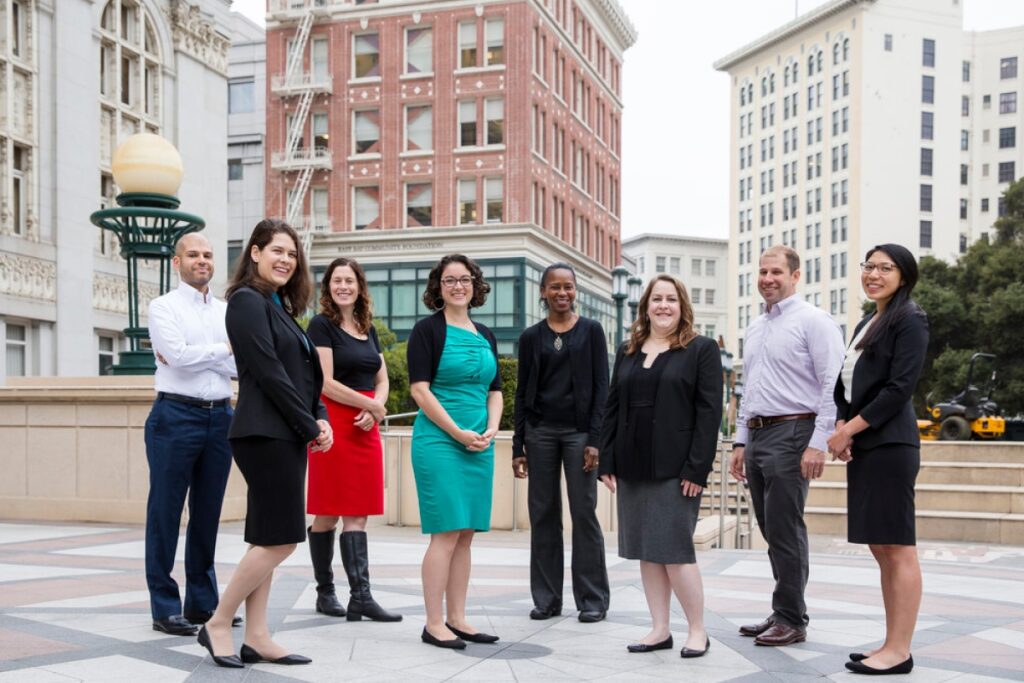
As anybody who has worked on a preliminary injunction motion knows, it is no easy feat. It’s not simple, even when you have only one client whose facts you need to get straight. Add eight other jurisdictions and the factual complexity of how grants work, and you’ve got a recipe for disaster. Luckily, it was not just the Chicago team taking on this behemoth. We worked with incredible lawyers in the cities and county we were representing, including another Affirmative Leaders Fellow, Kelsey McElveen. We also had expert counsel in the Public Rights Project’s Toby Merrill, Erin Monju, and Sai Mohan, who set us up for success by tracking grants, reviewing client declarations, and helping us navigate the complex legal landscape. To say that we could not have done it without them would be an enormous understatement.
We were additionally fortunate to follow in the footsteps of our talented colleagues on the West Coast (also represented by Public Rights Project), in the case of County of Santa Clara et al. v. Noem. All of this is to say, while Chicago may have led this case, it was very much a team effort and one that built upon the tireless work of public service lawyers across the country.
Of course, getting on file was only half (maybe three quarters?) the battle. We then had to prepare for oral argument. After endless hours cramming both grant facts and legal concepts into my head — and after surviving some humbling moots — I had the honor of arguing our motion on behalf of all plaintiffs. Our judge was very engaged, peppering us with in-depth questions for over two hours. Like every step that had led to oral argument, though, I was not on my own. I had my colleagues from the City of Chicago with me, along with Sai and Kelsey, who had flown in for the argument. Their live assistance was invaluable.
After argument, the judge asked us to file a supplemental chart by midnight to clarify some of our facts, making our day a very long one. But it resulted in an important interim legal victory, with the judge granting our motion for preliminary relief. This meant, for now at least, Chicago and the other plaintiffs could get their public safety funds without the threat of False Claims Liability. And in January of this year, we amended our complaint and added plaintiffs, so that three additional localities could get that same kind of relief.
Lawsuits are local governments’ last stand against illegal federal actions
Chicago v. Noem is just one front in a broader legal battle. The bigger fight isn’t just about funding for emergency preparedness and response. Chicago is also a plaintiff in King County v. Turner, defending federal housing and transit funding from similar grant conditions; San Francisco v. Trump, protecting jurisdictions with so-called “sanctuary” policies from immigration enforcement overreach; and City of Columbus v. HHS, blocking the administration’s attempts to dismantle the Affordable Care Act. And there are dozens more cases across the country like these. We stand alongside our nation’s cities and counties challenging the executive branch’s rewriting of the terms of Congressional funding to enforce its ideological agenda, which is already causing people to forgo housing, healthcare, and safe and reliable transit.
As we pass the one-year anniversary of this federal administration, litigation will remain one of the most powerful tools local governments have to protect their communities from federal overreach. For cities like Chicago, these lawsuits aren’t political theater. Chicago v. Noem is a dollars-and-cents lawsuit with real-world consequences for our constituents and first responders. As our public safety grants specialist said in a statement to the court, for a lot of these public safety concerns, “[t]here are no alternative funding options…. None.”
Chicago v. Noem is about keeping firefighters and SWAT teams equipped, conducting counterterrorism exercises and training, and ensuring that transit riders are safe from mass violence. I’m proud that this chapter of my career involves working with other public servants to secure the basic promise that federal funds allocated by Congress will be used for their intended purpose: protecting America’s cities from threats we can’t afford to ignore.
##
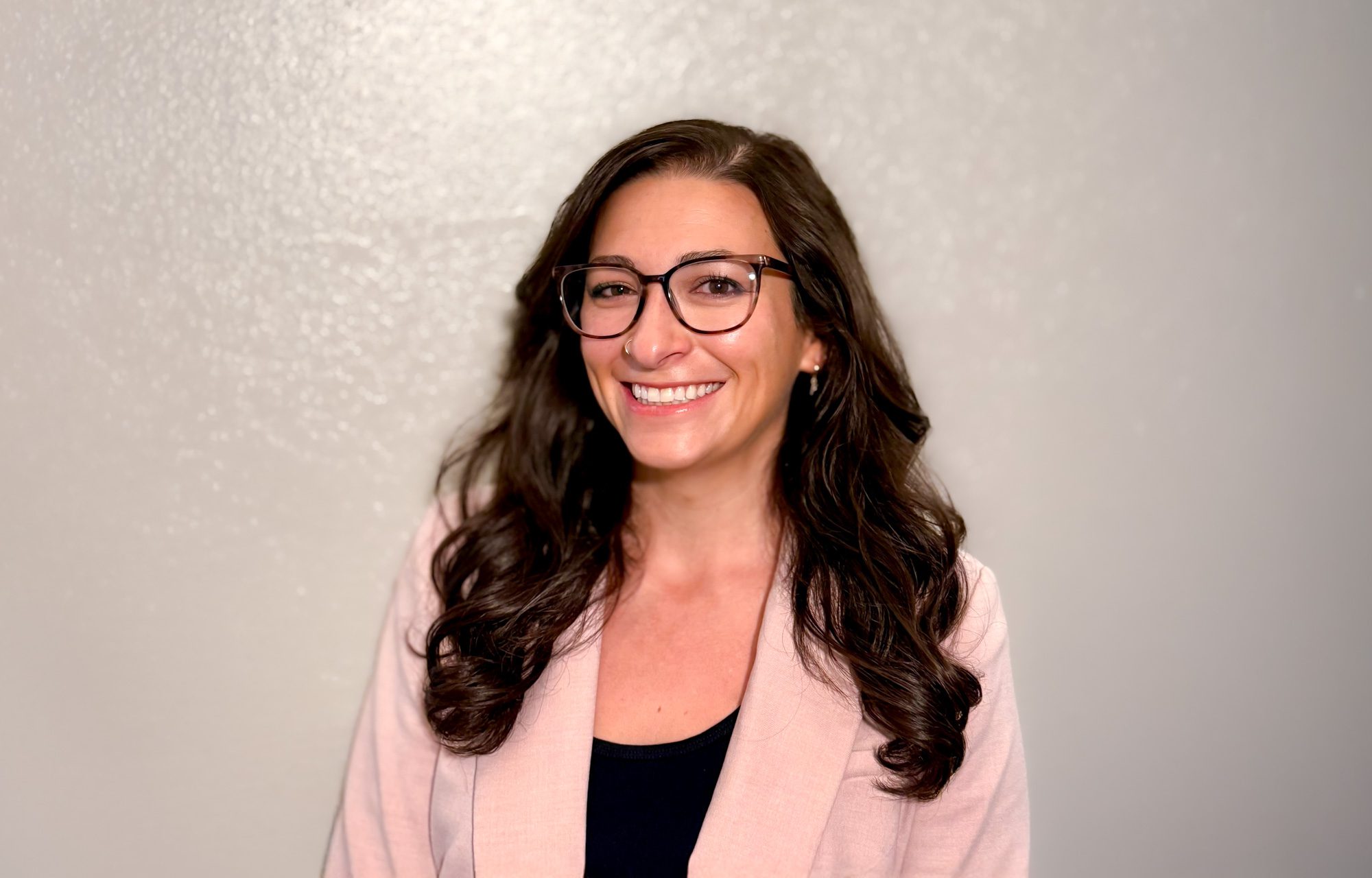
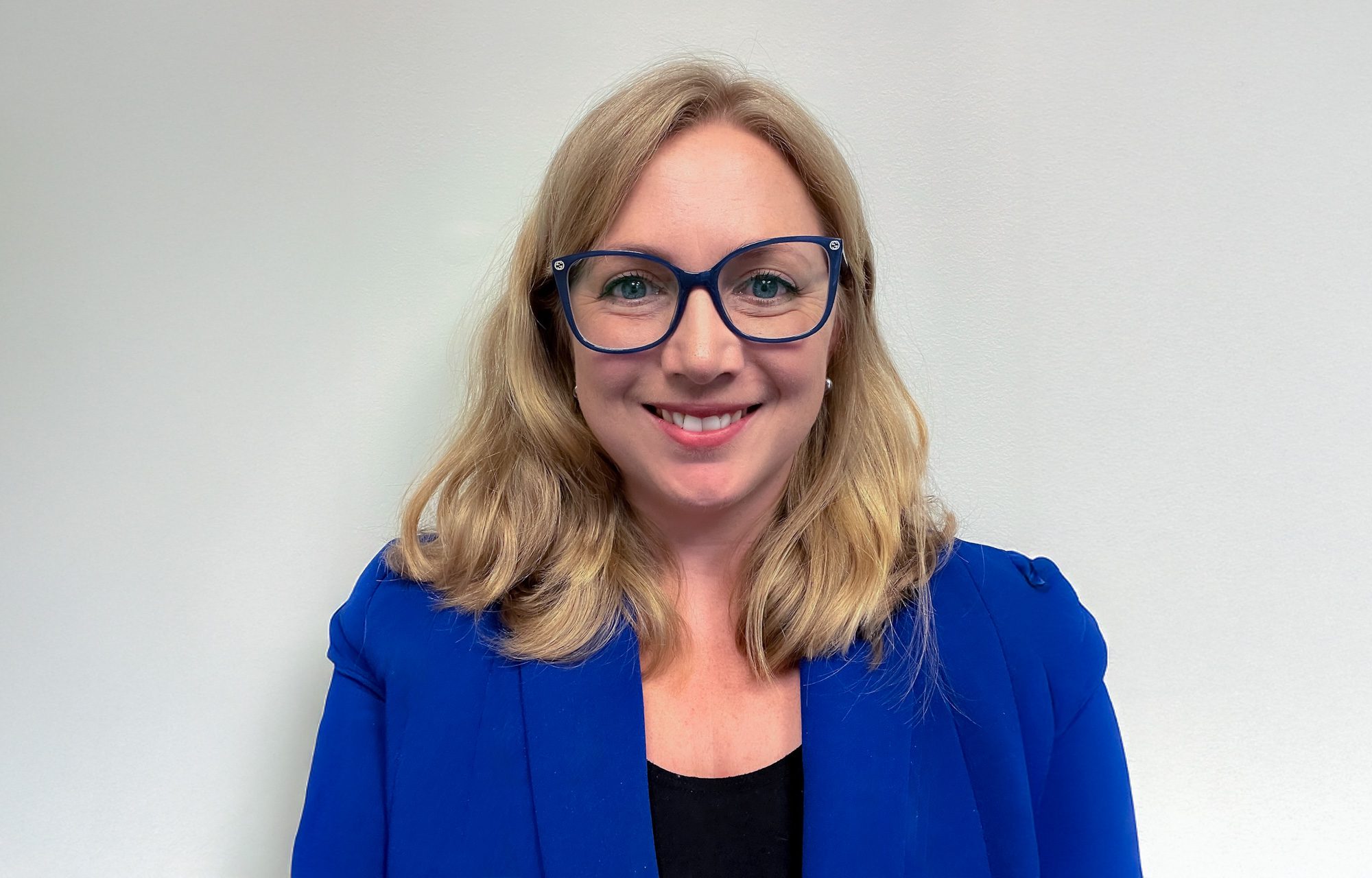
Chelsey Metcalf is Assistant Corporation Counsel III at the City of Chicago’s Affirmative Litigation Department. She was also a 2025 Affirmative Leaders Fellow.
-
 Blog3/13/2026
Employees are sounding the alarm on FEMA staff cuts: ‘States are not ready’
Michael Shell spent nine years deploying to disaster zones across America, criss-crossing the country to…
-
Blog2/23/2026
The White House’s reversal on Housing First will worsen homelessness — but local governments are fighting back
Once again, local governments are standing up for what really keeps us all safe: ensuring communities continue to get critical services and that the National Guard is only deployed in the rare cases when truly needed.
-
Blog1/21/2026
Q&A with Affirmative Leaders Fellow Devon King, deputy city attorney in Albuquerque’s city attorney’s office
Devon King never imagined that litigating against the federal government would become a central part…