

In the fight for reproductive freedom, our cities play a vital but overlooked role
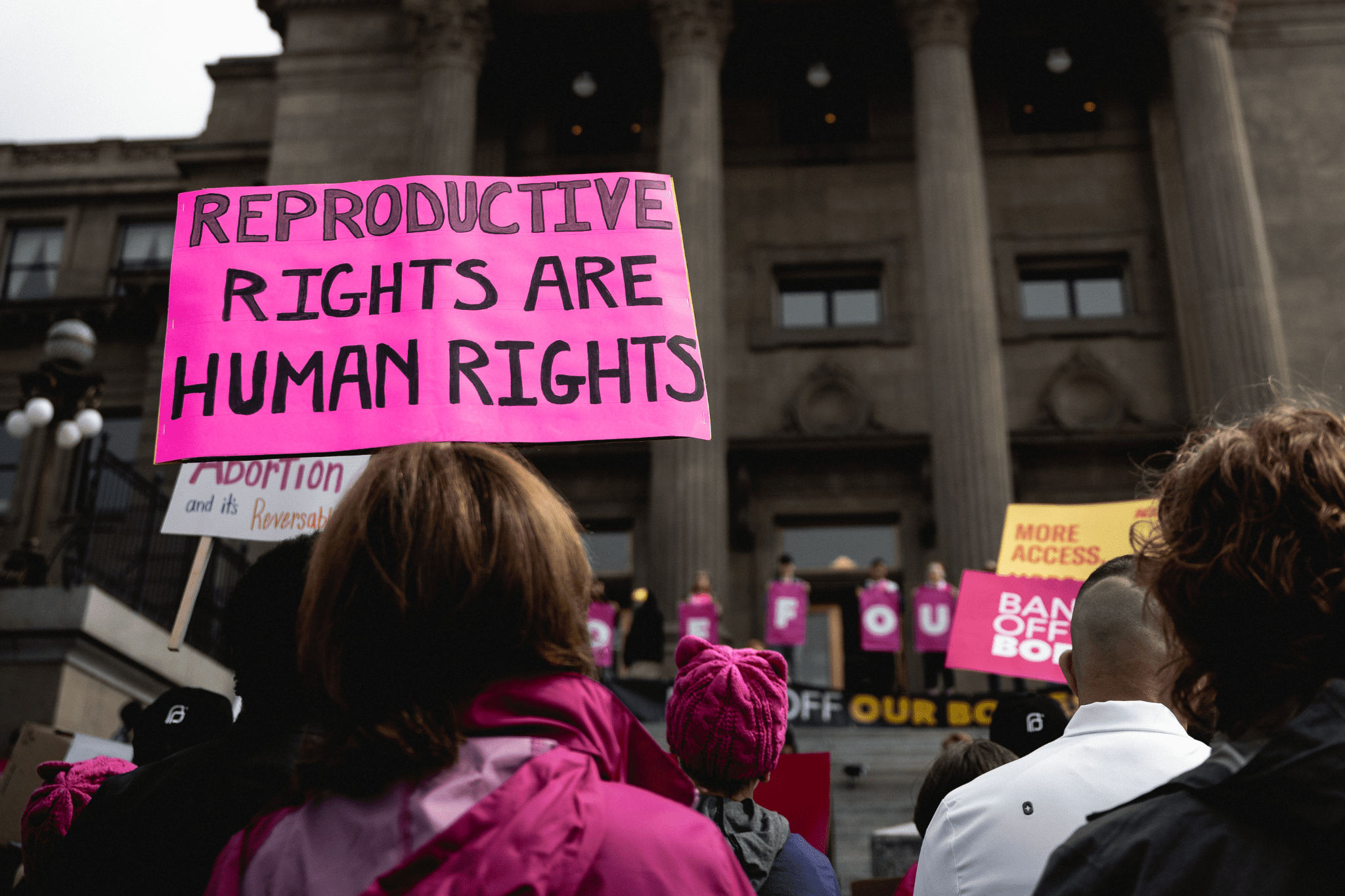
Earlier this month, I traveled to Austin, Texas, to speak on a panel at SXSW about reproductive rights — an issue that has slipped from national headlines in recent months but is undeniably connected to everything else happening right now.
Among the trendy coffee pop-ups and coveted music lineups were conversations about the state of our economy, the future of our education system, and the necessity of collective action in this moment.
Cities are protecting reproductive rights
It felt apt to be in Austin while talking about the role cities play in our work to protect reproductive rights. Austin was one of the first cities in the country to pass the Guarding the Right to Abortion Care for Everyone (GRACE) Act after the Dobbs decision in 2022. This critical move not only effectively decriminalized abortion in the city by preventing the use of city funds to investigate the procedure, it inspired dozens of other cities nationwide to do the same. Even in places as hostile to reproductive rights as Texas, it’s proof there is always something cities can do.
That’s why our cities play a vital role in protecting reproductive rights.
The people who work in City Hall make day-to-day decisions in real time that affect our health and safety. Our local governments have tools they can employ to both protect communities from harm and advance civil rights. Passing ordinances, like Austin did with the GRACE Act, deprioritized enforcement of criminal laws concerning abortions and other reproductive health care actions. Other cities, like Cleveland and Columbus, Ohio, went on the legal offense, filing litigation against state abortion restrictions. Dozens more have leveraged their public dollars to align with community values, often directly investing in reproductive care services or providing supplementary funds to support residents who must travel out of state for abortion services.
No such thing as a permanent win or a permanent loss
There’s a misconception that wins and losses are permanent. They’re not. As Coretta Scott King said, freedom must be earned and won in every generation. We’re learning that lesson the hard way under this administration. But just as progress can be blocked, setbacks can be reversed. Even in a post-Dobbs world, we’ve made gains, from overturning criminal abortion bans to improving abortion access for 25 million people.
For example, in 2022, Public Rights Project fought to safeguard abortion access in Arizona, serving as legal counsel to Pima County Attorney Laura Conover to keep an abortion ban tied up in the courts. The fight to protect legal abortion led to no gap in access until a state ballot measure enshrined it as a constitutional right.
And as a basketball fan, I know defense wins championships. And we need a lot of defense to protect abortion (and really, all the rights we hold dear) in this environment. Since January 2025, across industries and sectors, the choice has too often been between defense and capitulation rather than defense and offense. But mayors and other local leaders are standing up. I’m so proud of our coalition of 75 cities and counties for saying no to the federal government’s attempts to hold $14 billion hostage unless they abandon their commitments to community priorities like reproductive rights and basic health care.
It’s all connected
The administration’s goal of controlling people and their bodies is part of the larger authoritarian playbook. Abortion, immigration, voting, and transgender rights are all interwoven issues, with the common thread being who in the U.S. is allowed full dignity, full rights, and full freedoms.
Just look at the way ICE and the private companies that run detention prisons treat pregnant people. Women have reported deplorable conditions and a complete absence of the prenatal care they’re entitled to. Some aren’t even getting food, let alone the nutrition they need at specific stages of pregnancy.
Or look at what the administration is doing to avoid providing abortion care at all costs: to avoid providing abortions to immigrant girls in ICE detention, many of whom are pregnant by rape, the federal government is moving them to a detention center in San Benito, Texas. Some are as young as 13.
And just 150 miles southwest of Austin is Dilley ICE Detention Center, where nearly 2,500 people — more than half of them minors — are being detained. We’ve heard the stories of dangerous conditions and civil rights violations that have taken place there. Now, a measles outbreak threatens to harm even more children and families, many of whom have been there much longer than the 20-day limit they are supposed to be held for. It’s a microcosm of our society in which the lives of certain people in our community are deemed less worthy of respect, autonomy, care, freedom, and justice.
Let’s be clear: the battle in front of us is between authoritarianism and human dignity. It’s about who gets to be American, with full rights and full agency over their destiny.
And so we must get back to work. Because the future of reproductive freedom — and our democracy — will be decided by “We the People,” in polling places and in courtrooms across the country.
Thank you to our friends at the Collaborative for Gender + Reproductive Equity, National Women’s Law Center, and Reproductive Freedom Alliance for their partnership.

-
 Blog3/27/2026
How we are protecting free and fair elections in 2026
Trump has spent the first few months of this year focused on undermining elections. Lately,…
-
Blog3/13/2026
FEMA employees are sounding the alarm on staff cuts: ‘States are not ready’
Michael Shell spent nine years deploying to disaster zones across America, criss-crossing the country to…
-
Blog2/23/2026
The White House’s reversal on Housing First will worsen homelessness — but local governments are fighting back
Once again, local governments are standing up for what really keeps us all safe: ensuring communities continue to get critical services and that the National Guard is only deployed in the rare cases when truly needed.