Our impact
Since launching the Civil Rights Hub in 2025, we’ve worked with local government officials to help them leverage their power and legal tools to advance civil rights.
Building a network of local power
When jurisdictions bring lawsuits forward together, it sends an important message to the courts and beyond: local officials won’t stand idly in the face of harm to their communities.
In the Supreme Court case defending the constitutional protection of birthright citizenship, we organized 141 local officials and jurisdictions from 26 states to file an amicus brief illustrating the threat local communities faced. Together, we’ve filed dozens of amicus briefs and numerous public comments.
Identifying opportunities to defend local communities
From lawsuits from the federal government targeting local governments to sweeping policy changes, navigating this current moment can feel overwhelming.
But local governments don’t have to face it alone. Through the Multi-City Group, we’ve been able to find solutions and respond collectively. For example, when the federal government sued our network members to compel them to abandon local policies and cooperate fully with federal immigration enforcement, we brought the voices of 147 cities, counties, and elected officials together in their defense.
Strengthening and expanding expertise and capacity
Government attorneys who engage in affirmative litigation often have little support. We provide ongoing trainings and make sure they’re connected with a community of peers who can share insights.
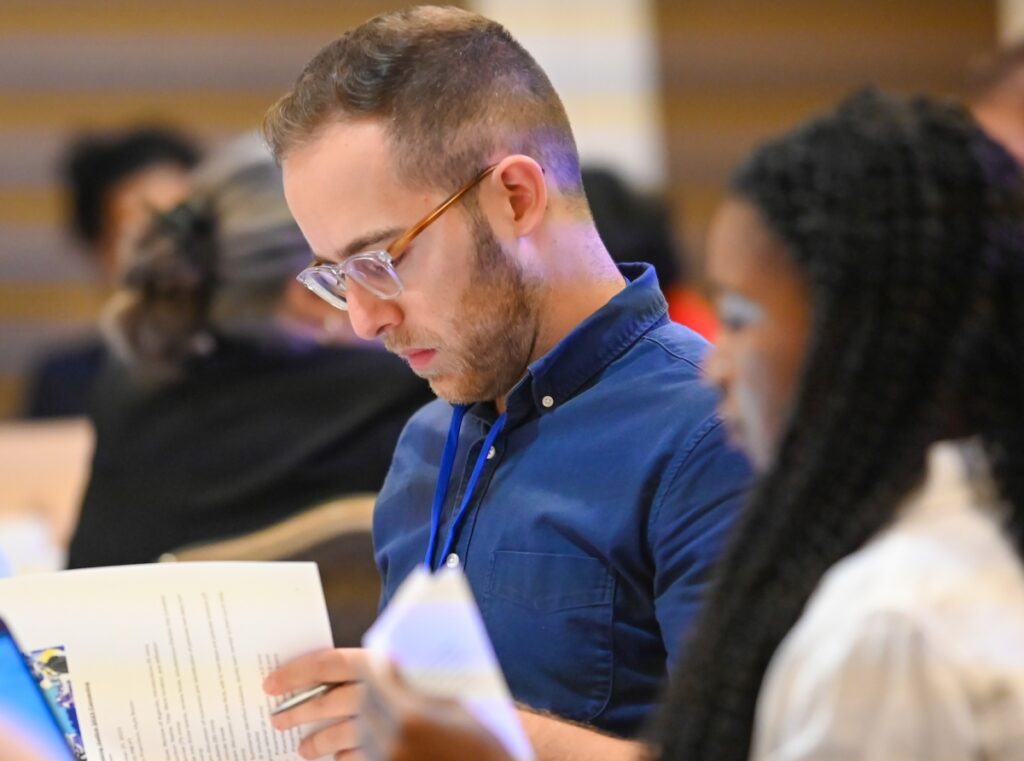
Our trainings help local governments understand rapidly changing developments on affirmative litigation, policy advocacy, and reproductive rights protections. Our in-person convenings provide an opportunity to collaborate and strategize around the most urgent issues facing local governments, alongside top legal experts in affirmative litigation.
Problem-solving in an evolving landscape
New legal questions require an ability to think creatively to find solutions. As threats evolve, local governments must find new ways to defend and protect democracy and civil rights, workers’ rights, and reproductive rights.
That’s where we come in, to provide examples of possible policy responses and recommendations that are adapted to the moment — supporting the enactment of local executive orders and ordinances when needed.